Table of Content
- What is a Veterinary Anesthesia Machine?
- Why is Veterinary Anesthesia Important?
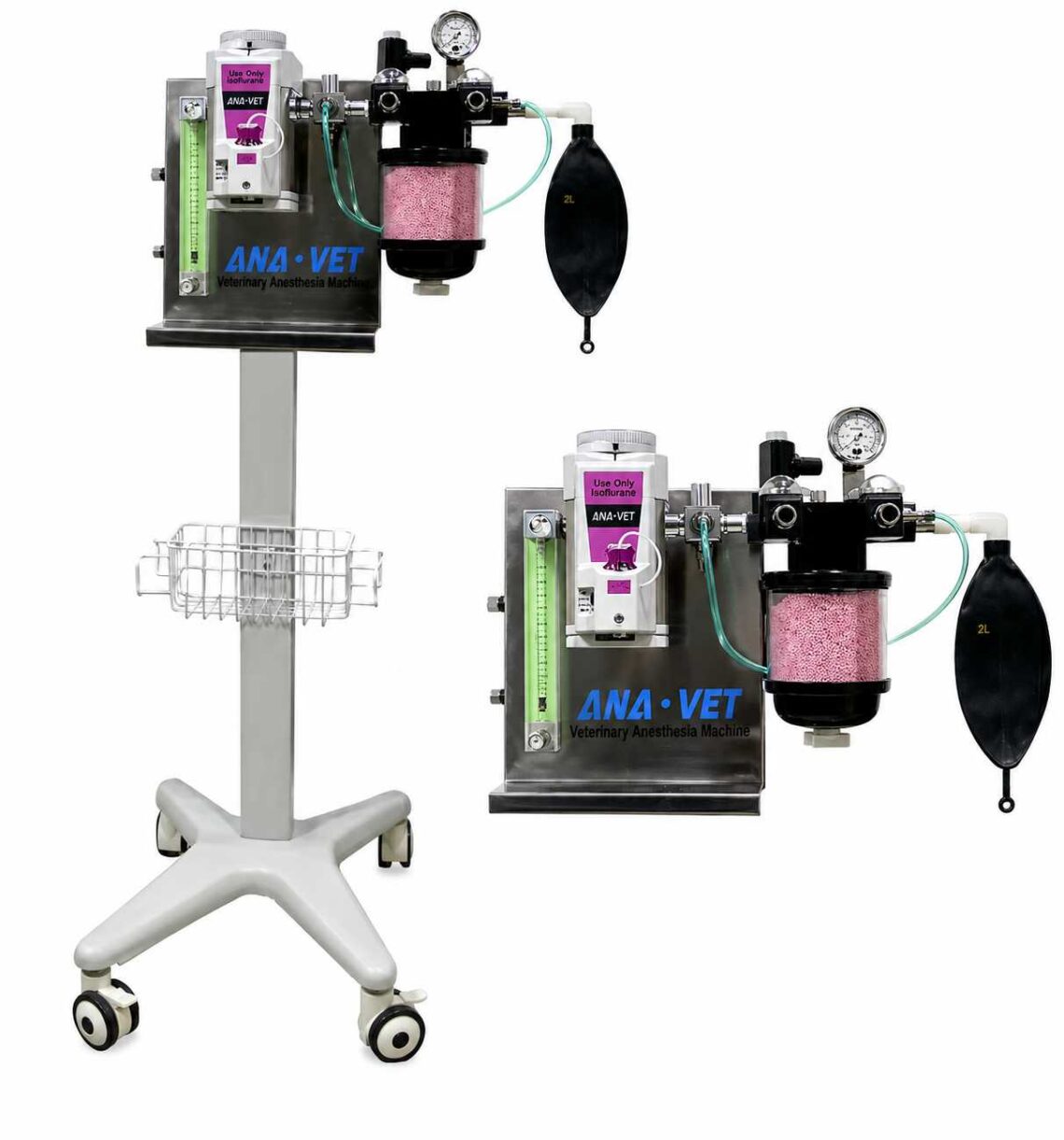
- Main Components of a Veterinary Anesthesia Machine
- Types of Veterinary Anesthesia Machines
- How to Choose the Right Veterinary Anesthesia Machine
- Common Veterinary Anesthesia Risks
- Veterinary Anesthesia Machine Price in India
- Why Choose ANAVET Veterinary Anesthesia Machine?
- Conclusion
Complete Guide to Veterinary Anesthesia Machines for Modern Animal Hospitals
Veterinary surgery has advanced significantly over the last decade, and one of the most important components of any modern veterinary operation theater is the veterinary anesthesia machine. Whether performing routine procedures, emergency surgeries, orthopedic operations, or critical care treatments, safe anesthesia administration is essential for successful outcomes in animals.
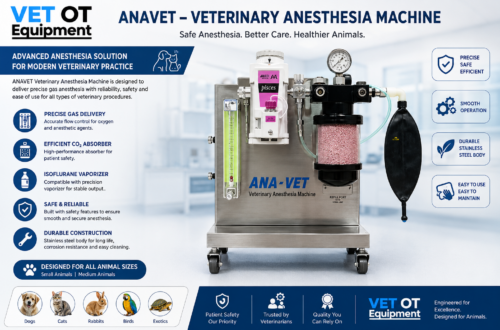
A veterinary anesthesia machine helps veterinarians deliver controlled anesthesia gases and oxygen to animals during surgical procedures. These systems are designed specifically for veterinary applications and ensure patient safety, accurate gas delivery, respiratory support, and smooth anesthesia monitoring throughout surgery.
In this guide, we will explain everything about veterinary anesthesia machines, including their working process, components, benefits, applications, and how to choose the right anesthesia system for your veterinary clinic or hospital.
What is a Veterinary Anesthesia Machine?
A veterinary anesthesia machine is a specialized medical device used in animal hospitals and veterinary clinics to administer inhalation anesthesia to animals during surgeries and medical procedures.
The machine delivers a controlled mixture of:
- Oxygen
- Anesthetic gases such as Isoflurane or Sevoflurane
- Breathing support during surgery
These machines are commonly used for:
- Dog surgeries
- Cat surgeries
- Orthopedic procedures
- Dental procedures
- Emergency surgeries
- Soft tissue surgeries
- Critical care procedures
Modern veterinary anesthesia machines are designed to support both small and large animals while maintaining patient safety and precise anesthesia control.
Why is Veterinary Anesthesia Important?
Anesthesia is essential because it:
- Prevents pain during surgery
- Keeps animals calm and immobile
- Reduces stress and trauma
- Allows veterinarians to perform complex procedures safely
- Improves surgical precision
- Supports patient recovery
Without a proper veterinary anesthesia system, surgeries become risky and difficult to perform safely.
How Does a Veterinary Anesthesia Machine Work?
The primary function of a veterinary anesthesia machine is to provide a controlled supply of oxygen mixed with anesthetic gases to the patient.
Step-by-Step Working Process
1. Oxygen Supply
The machine receives oxygen from:
- Oxygen cylinders
- Central oxygen pipeline systems
The oxygen passes through pressure regulators and flowmeters.
2. Flowmeter Regulation
The flowmeter controls the amount of oxygen delivered to the patient.
Proper oxygen flow is extremely important because different animals require different oxygen volumes depending on:
- Weight
- Species
- Age
- Health condition
3. Vaporizer Function
The vaporizer converts liquid anesthetic agents into vapor form.
Common anesthetic agents include:
- Isoflurane
- Sevoflurane
The vaporizer precisely mixes anesthetic gas with oxygen before delivery to the patient.
4. Breathing Circuit
The breathing circuit carries anesthetic gas and oxygen to the animal through:
- Endotracheal tubes
- Breathing masks
The circuit also removes carbon dioxide exhaled by the patient.
5. Carbon Dioxide Absorption
A CO2 absorber containing soda lime removes carbon dioxide from exhaled gases, allowing safe rebreathing in closed-circuit systems.
6. Waste Gas Scavenging
The scavenging system removes excess anesthetic gases from the environment to protect veterinary staff.
Main Components of a Veterinary Anesthesia Machine
Understanding the components helps veterinary professionals choose the right machine for their clinic.
1. Flowmeter
Controls oxygen flow accurately.
2. Vaporizer
Converts anesthetic liquid into vapor form.
3. Oxygen Flush Valve
Provides rapid oxygen delivery during emergencies.
4. Breathing Circuit
Delivers gases to the patient safely.
5. Pressure Gauge
Monitors oxygen pressure.
6. CO2 Absorber
Removes carbon dioxide from exhaled air.
7. Scavenging System
Removes waste anesthetic gases.
8. Ventilator (Optional)
Provides assisted breathing support for critical patients.
Types of Veterinary Anesthesia Machines
Different veterinary clinics require different anesthesia systems depending on patient volume and surgical complexity.
Portable Veterinary Anesthesia Machine
Ideal for:
- Small clinics
- Mobile veterinary services
- Basic procedures
Benefits:
- Compact design
- Easy transportation
- Cost-effective
Advanced Veterinary Anesthesia Workstation
Suitable for:
- Multi-specialty hospitals
- Advanced surgical centers
- Critical care units
Features:
- Integrated ventilator
- Advanced monitoring
- Digital controls
- Multiple safety alarms
Small Animal Anesthesia Machine
Designed specifically for:
- Dogs
- Cats
- Rabbits
- Exotic pets
Large Animal Anesthesia Machine
Used for:
- Horses
- Cattle
- Farm animals
These systems provide higher oxygen capacity and specialized breathing circuits.
Benefits of Using Veterinary Anesthesia Machines
Improved Patient Safety
Modern anesthesia systems provide accurate gas delivery and monitoring, reducing complications.
Better Surgical Precision
A stable anesthetized patient allows veterinarians to perform procedures more efficiently.
Reduced Stress for Animals
Anesthesia minimizes pain and anxiety during surgery.
Enhanced Monitoring
Advanced systems support:
- Oxygen monitoring
- Respiration monitoring
- Pressure monitoring
Faster Recovery
Controlled anesthesia delivery improves post-operative recovery.
Common Applications of Veterinary Anesthesia Machines
Veterinary anesthesia machines are used in many procedures:
Soft Tissue Surgery
- Spaying
- Neutering
- Tumor removal
Orthopedic Surgery
- Fracture repair
- Joint surgery
Dental Procedures
- Tooth extraction
- Oral surgery
Emergency Procedures
- Trauma surgery
- Critical care operations
Diagnostic Procedures
- Endoscopy
- Imaging procedures
Veterinary Anesthesia Monitoring Equipment
Monitoring is critical during anesthesia.
Common monitoring devices include:
- Multiparameter monitors
- Pulse oximeters
- ECG monitors
- Capnography systems
- Blood pressure monitors
Combining anesthesia systems with monitoring equipment improves patient safety significantly.
How to Choose the Right Veterinary Anesthesia Machine
Choosing the correct veterinary anesthesia machine depends on several factors.
1. Type of Practice
Consider whether your clinic handles:
- Small animals
- Large animals
- Mixed practice
2. Surgical Volume
High-volume hospitals require advanced systems with ventilators and digital controls.
3. Budget
Portable systems are more economical, while advanced workstations offer premium features.
4. Safety Features
Look for:
- Pressure alarms
- Oxygen failure alarms
- Emergency oxygen flush systems
5. Ease of Maintenance
Reliable servicing and spare parts availability are important for long-term use.
Common Veterinary Anesthesia Risks
Although modern systems are highly safe, improper anesthesia management can lead to complications.
Potential risks include:
- Low oxygen levels
- Respiratory depression
- Hypothermia
- Hypotension
- Delayed recovery
Proper training and equipment maintenance reduce these risks significantly.
Veterinary Anesthesia Machine Maintenance Tips
Regular maintenance ensures machine performance and patient safety.
Daily Maintenance
- Check oxygen supply
- Inspect breathing circuits
- Verify vaporizer levels
Weekly Maintenance
- Leak testing
- Cleaning components
- Checking pressure gauges
Monthly Maintenance
- Replace worn tubing
- Service vaporizers
- Inspect CO2 absorbers
Professional servicing should also be scheduled regularly.
Why Modern Veterinary Hospitals Prefer Inhalation Anesthesia
Inhalation anesthesia has become the preferred method because it offers:
- Better control
- Faster induction
- Faster recovery
- Improved safety
- Adjustable anesthesia depth
This is why inhalation anesthesia machines are widely used in modern veterinary operation theaters.
Importance of Veterinary OT Equipment Along with Anesthesia Systems
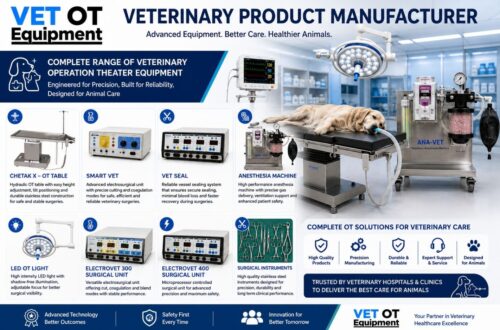
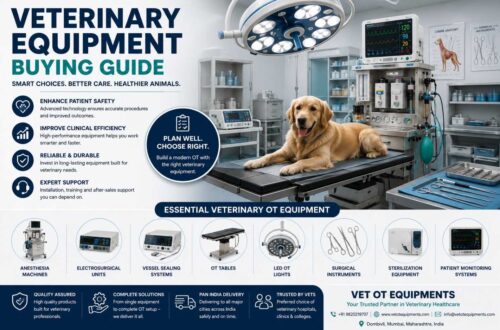
A veterinary anesthesia machine works best when integrated with other veterinary OT equipment such as:
- Veterinary OT tables
- Veterinary LED OT lights
- Patient monitors
- Surgical instruments
- Sterilization equipment
- Veterinary vessel sealing systems
A properly equipped veterinary operation theater improves surgical efficiency and patient care.
Veterinary Anesthesia Machine Price in India
The price of veterinary anesthesia machines depends on:
- Features
- Brand
- Monitoring integration
- Ventilator support
- Machine capacity
Portable models are generally affordable, while advanced workstations with digital monitoring systems are premium solutions for large veterinary hospitals.
Why Choose ANAVET Veterinary Anesthesia Machine?
AnaVet veterinary anesthesia machines are designed for modern veterinary surgical environments.
Key Advantages of AnaVet Systems
- Reliable anesthesia delivery
- High safety standards
- Durable construction
- Easy operation
- Suitable for small and large animals
- Advanced monitoring compatibility
- Low maintenance design
AnaVet systems help veterinary hospitals improve surgical efficiency and patient safety.
Future of Veterinary Anesthesia Technology
The veterinary industry is rapidly adopting advanced technologies such as:
- Digital anesthesia monitoring
- AI-assisted monitoring
- Smart alarm systems
- Integrated ventilators
- Touchscreen anesthesia workstations
These innovations are improving surgical outcomes and reducing anesthesia-related complications.
Conclusion
A veterinary anesthesia machine is one of the most important components of any veterinary operation theater. It ensures safe anesthesia delivery, better surgical precision, improved patient monitoring, and smoother recovery for animals undergoing surgery.
Whether you operate a small veterinary clinic or a multi-specialty animal hospital, investing in a high-quality veterinary anesthesia system improves patient care and surgical success rates.
Modern veterinary hospitals are increasingly adopting advanced inhalation anesthesia systems along with complete veterinary OT equipment to deliver safer and more efficient surgical procedures.
If you are planning to upgrade your veterinary operation theater, choosing a reliable veterinary anesthesia machine like AnaVet can significantly improve your clinical capabilities and surgical outcomes.
Frequently Asked Questions (FAQs)
What is a veterinary anesthesia machine used for?
A veterinary anesthesia machine is used to deliver oxygen and anesthetic gases safely to animals during surgery and medical procedures.
Which anesthetic gases are commonly used in veterinary anesthesia?
Isoflurane and Sevoflurane are the most commonly used anesthetic gases in veterinary practice.
Is inhalation anesthesia safe for animals?
Yes, inhalation anesthesia is considered one of the safest anesthesia methods when proper monitoring and equipment are used.
What animals can use veterinary anesthesia machines?
These machines are suitable for dogs, cats, rabbits, exotic pets, horses, cattle, and many other animals.
How often should veterinary anesthesia machines be serviced?
Routine inspection should be done regularly, while professional servicing is recommended periodically, depending on machine usage.
What equipment is required along with a veterinary anesthesia machine?
Additional equipment includes:
- Veterinary patient monitors
- OT tables
- Surgical lights
- Surgical instruments
- Sterilization systems
- Ventilators
Contact Vet OT Equipments
Looking for advanced veterinary anesthesia machines and veterinary OT equipment in India?
Explore premium veterinary surgical solutions including:
- Veterinary anesthesia machines
- Veterinary OT tables
- Veterinary LED OT lights
- Veterinary vessel sealers
- Veterinary surgical instruments
- Complete veterinary OT setup solutions
Visit Vet OT Equipments Official Website for more information about veterinary operation theater equipment and anesthesia solutions.